
About

About Extractions.

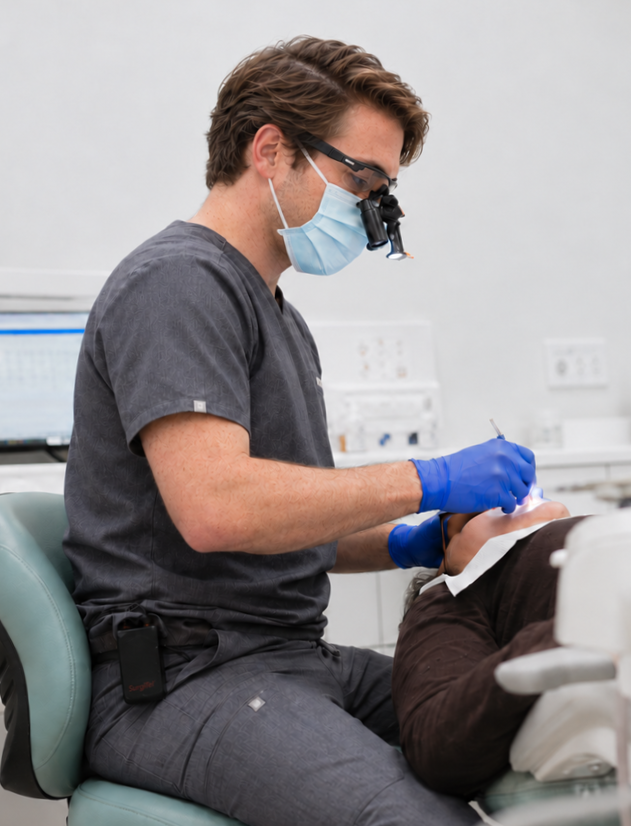
A tooth extraction is when a dentist removes a tooth. This is usually done because the tooth is badly damaged, infected, or causing other problems.

The goal is to relieve pain or infection and help keep your mouth healthy in the future. Before the procedure, your dentist will discuss the treatment with you and ensure the area is comfortably numbed. Following an extraction, you may be given advice on replacement options, such as a bridge, denture, or dental implant, where appropriate.

FAQ's

Helpful answers to your questions.

  • It can stop pain and/or infection.
  • It may prevent future dental problems.

It is normal to have:

  • Numbness in the area for a few hours.
  • Soreness, minor bleeding, swelling, or bruising for up to a week.
  • A space/gap where your tooth used to be. If the removed tooth is an adult tooth, this is permanent.

Common risks:

  • Damage to nearby teeth, gums, cheeks, or tongue.
  • Bruising, bleeding, swelling.
  • Pain that lasts longer than expected, possibly due to infection or slow healing.
  • The tooth may break during removal. Sometimes a small surgery is needed to remove broken pieces, or a small part of the tooth might be left behind if it’s too difficult to remove safely.
  • Movement of adjacent/opposing teeth if the gap is left un-filled.

Rare risks:

  • Injury to nearby bone or nerves.
  • A small hole may form between your mouth and sinus (usually in upper teeth).
  • A piece of the tooth could move into the sinus.
  • Allergic reactions to medicines or materials used during the procedure.
  • The need for stitches to be placed.
  • Prolonged numbness/altered sensation of the area or surrounding tissues following the anaesthetic wearing off. In particular, this may be the lips, chin & tongue (including taste) which may be temporary or permanent.

Yes. Depending on your situation, you may consider:

  1. Seeing a dental specialist who may be able to save the tooth with special equipment or techniques.
  2. Having a different treatment, such as a root canal.
  3. Choosing not to have any treatment — but this may lead to more pain or a serious infection.

Testimonials

Real Stories, Real Smiles

Quote Icon
play_arrow pause

Lydia

Press play to watch about Lydia’s journey at The Dentist

Quote Icon
play_arrow pause

Sam

Press play to watch about Sam’s journey at The Dentist

Quote Icon
play_arrow pause

Hailey

Press play to watch about Hailey’s journey at The Dentist

Quote Icon
play_arrow pause

Catherine

Press play to watch about Catherine’s journey at The Dentist

Quote Icon
play_arrow pause

Daniel

Press play to watch about Daniel’s journey at The Dentist

Quote Icon
play_arrow pause

Jake

Press play to watch about Jake’s journey at The Dentist